























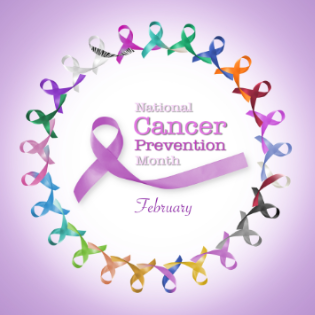
National Cancer Prevention Month occurs every February, with the intent to raise awareness about what people can do to reduce their risk of cancer through healthy lifestyle choices and how to detect early signs of it. Throughout, this month its goal is to encourage individuals to make small, daily changes on what they can do to lower their risk. According to the American Cancer Society (ACS), it suggests how 40% of the cancer cases that occur in the U.S. are preventable, with 44% of cancer deaths in 2025 being attributed to behaviors that can be changed. Nevertheless, it should be brought to attention that fighting the chances of getting cancer is not about conforming to strict limitations, but enforcing small changes that can reduce the risk you may potentially have. After all, many everyday choices can influence the chances of having cancer to be possible. In spite of that, good news that can be found from those issues is how making small adjustments to those choices can create a meaningful difference.
However, what is cancer prevention to begin with? For starters, cancer prevention means taking the initiative of reducing your risk of getting cancer as mentioned earlier by involving lifestyle changes, such as dieting, doing physical activity, and avoiding harmful exposures. There is no denying that prevention will 100% be guaranteed, following these steps will still aid in reducing the risk in areas that are possible. That is because of how cancer itself usually develops over time from a combination of modifiable lifestyle choices and non-modifiable factors like genetics. Despite that, it should be brought to attention that making changes within your control is an effective first step to approach rather than doing none at all. In doing so, creating a chance of prevention will consequently be possible to some extent, which will not be possible if you were to do nothing at all.
What Are Some Preventatives You Can Take Today?
1. Snuff It Out, Protecting Your Lungs Inside and Out:
Smoking Cigarettes is the #1 preventable risk factor for cancer. In the ACS study, smoking was linked to 20% of all cancer and 30% of all cancer deaths. The result of that, stems from how cigarettes contain thousands of chemicals, with 70 of them known for carcinogens or cancer-causing agents. By inhaling these chemicals, they can damage your DNA, which can lead to uncontrolled cell growth later on and is a sign of cancer development. Moreover, it can also weaken your immune system, making it more difficult to eliminate those cancer cells. It should be noted that the most common smoking-associated cancer is lung cancer, which is responsible for nine out of the ten related deaths in the U.S. Additionally, it can cause other twenty cancers, such as esophageal, breast, liver, etc. On top of that, secondhand smoke, or breathing in smoke from cigarettes without actually smoking them can cause cancer too and causes cancer linked to the larynx, nasopharynx, and breast cancers.

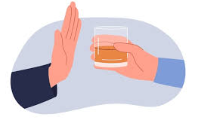
2. Sipping Smarter, one Less Drink at a Time:
Alcohol consumption is another lifestyle factor linked to cancer, with 5.4% of it contributing to cancers in the ACS study. Even in small portions, it can increase cancer risks in the mouth, throat, esophageal, liver, and breast cancer. That occurs due to how to disrupt cell cycles, damage DNA, and cause inflammation and hormonal changes. Furthermore, it can increase the absorption of carcinogens if you smoke cigarettes. In the United States, about 20,000 adults die from alcohol-associated cancers and it’s estimated most of these deaths can be avoidable, with modified alcohol intake.
3. Balancing Weight and Activity for Long-Term Defense:
Physical health and activity levels are also another cancer risk influence. That is noticed in how excess body weight was the second-most preventable cause linked with cancer development in 7.6% of cases and 3.1% for physical inactivity. Consequently, contributing to the development of stomach, endometrial, esophageal, and kidney cancers. That stems from how an increase of body weight can create a state of chronic inflammation, disrupt hormone balances, and alter immune function, as well as cell growth signals. Nevertheless, it should be brought to attention that reducing your risk in body weight and physical activity is not centered on appearance, but on your health.

4. Plating for Longevity: Eating for Prevention:
According to the ACS study, it has found out that dietary habits like not eating enough fruits and vegetables, low dietary intake of calcium and fiber, and the consumption of processed foods and red meat, are associated with varying types of cancers, such as oral cavity, the pharynx, esophagus, and colorectum. This consequently occurs because of how processed foods and red meats can lead to obesity, chronic inflation, and DNA damage that naturally raise that risk of cancer. By limiting intake of these foods and including more fruits and vegetables in your diet it can reduce this risk and potential development.

5. Ray-Resistant: Smart Strategies for Sun Protection:
Another, downplayed factor for cancer is ultraviolet (UV) exposure, which has accounted for 4.6% of preventable cancer cases. For some context, UV radiation can damage your cells, which will lead to uncontrolled cell growth. UV exposure can come from natural sunlight and tanning beds. The steps you can take to minimize sun exposure and protect your skin from the sun are applying sunscreen to exposed skin anytime you are outside, avoid tanning bed, see shade when possible, and wear UV-protective clothing.

6. The Prevention Toolkit:
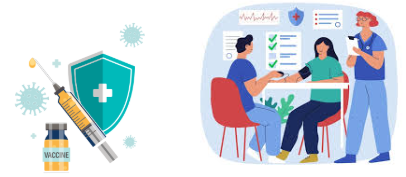
The two most powerful tools used to combat cancer prevention are vaccines and routine screenings. Vaccines are effective in preventing the viruses that can cause cancer from developing, such as the human papillomavirus (HPV), which can cause cervical cancer as well as hepatitis B (HBV), which causes liver cancer. While, screening for cancer catches it early and can even prevent it entirely. By catching cancer early, it can increase the chances of treatment to be successful. Nevertheless, not all cancers have screening guidelines, which is dependent on certain risk factors.
Today, National Cancer Prevention Week is being celebrated by getting promoted, being mentioned in education, and encouraging others to implement healthy lifestyle changes on social media and by organizations like the American Association for Cancer Research (AACR) and the Prevent Cancer Foundation. Through so, promoters, educators, and organizations share the risk factors that can cause cancer and what preventative measures could be used on online platforms. The color used to bring awareness in this month is lavender ribbon, which is used to symbolize hope and resilience. Additionally, it is also celebrated in different communities through health fairs, walks, and runs to engage the public to raise funds for research. From that alone, it can be clear to see that the importance of this month highlights how crucial it is to adopt healthy habits, considering how 40%-50% of all cancer cases are linked to preventable factors in our control as well as brings attention the need to continue researching cancer and support for the cancer patients and survivors.
Source: McDonald, Kellie. “Cancer Prevention — Small Choices, Big Impact – Cancer Research Institute.” Cancer Research Institute, 2 Feb. 2026, www.cancerresearch.org/blog/cancer-prevention-month. Accessed 13 Mar. 2026.