





In a world where news travels faster than ever, knowing how to tell fact from fiction has never been more important. Last week, from October 24 to October 31st, Pacifica joined the nationwide celebration of Media and Information Literacy Week. The UN General Assembly started this tradition as a way to inform people on how to be properly informed while using the internet, since misinformation can spread like wildfire. The UN also seeks to answer the question: “How can we access, search, critically assess, use, and contribute content wisely, both online and offline?” (https://www.un.org/en/observances/media-information-literacy-we). During MIL Week, Pacifica students took the opportunity to reflect on how digital literacy plays a key role in navigating today’s online world.
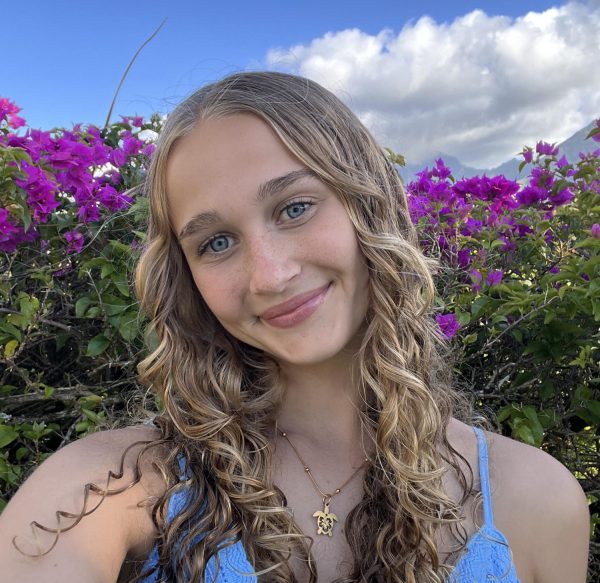
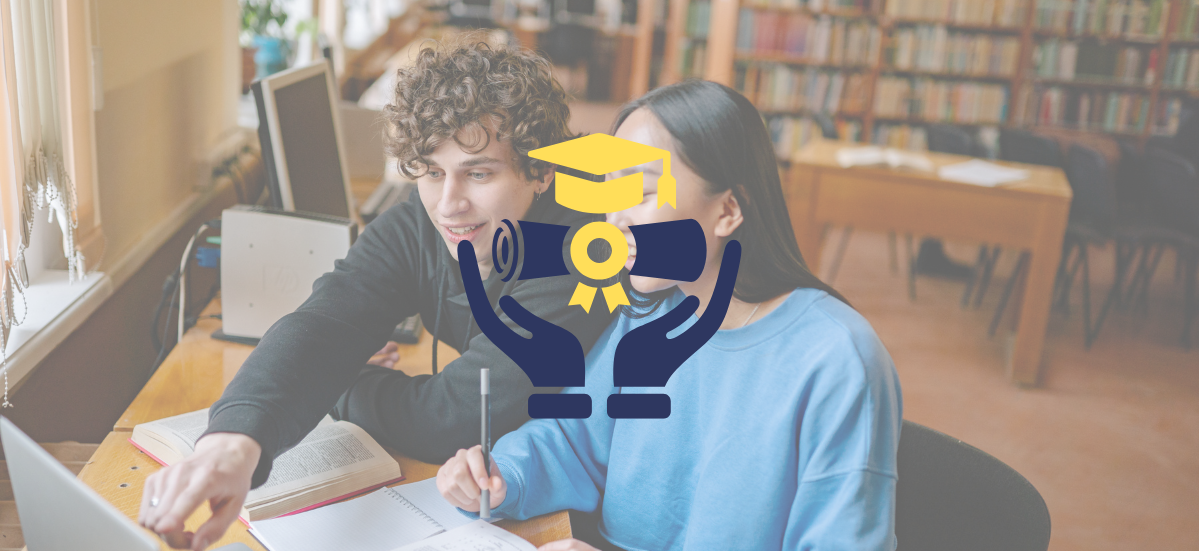
Students were informed about digital literacy through Mr. Wemmer’s AP Government class, where they were taught important skills such as lateral reading and SIFT, both of which are fact-checking techniques. Lateral reading involves leaving the website to verify its credibility through other trusted sources, and SIFT stands for “Stop”, “Investigate the source”, “Find better coverage”, and “Trace claims to their original context”. One senior student taking AP Gov this year, Quinn Gomez, shares how these lessons made a lasting impact: “MIL Week is important because in this new day and age of technology, you need to be safe. In AP Gov, we did a deep dive into how to make sure information and websites are credible. This definitely helped me understand how to be responsible online, such as lateral reading, which is researching the source to make sure it is credible. It is so important for people to have these skills because they protect people from getting bad information on the internet.” Through these lessons, students are better equipped with real-world habits so that they can spot misinformation and make informed decisions in this digital society.
Another AP Gov student reflected on how learning about media and information literacy has shaped her daily online habits. Maddison Maher admits, “I don’t always check the sources, and it depends on how important I view the information, and I often scroll past without checking if it’s true or reliable.” This honesty highlights a common challenge among young people today, and this is something many people can relate to. However, Maddy also speaks to the valuable lessons Mr. Wemmer taught. She says, “Some techniques I’ve learned to be digitally literate include lateral reading and the acronym SIFT. These tools ensure that I am able to identify if a source is reliable and if I should listen to the information it is providing.”
Media and Information Literacy Week serves as a reminder that being informed on the media requires both awareness and action. Through hands-on lessons in AP Government, Pacifica’s participation shows that digital literacy is not just knowing how to verify information, but actively choosing to whenever they are online. By practicing techniques such as lateral reading and SIFT, students can use the media responsibly, in the classroom and beyond.