
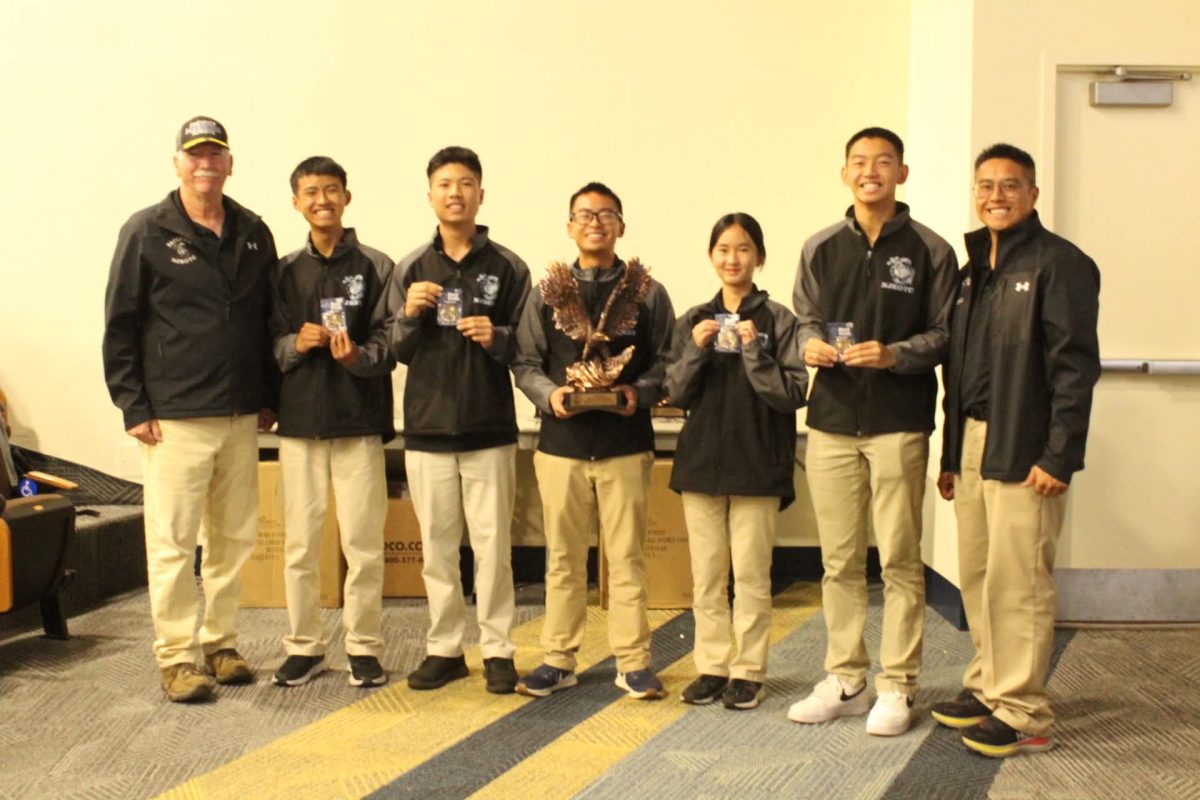








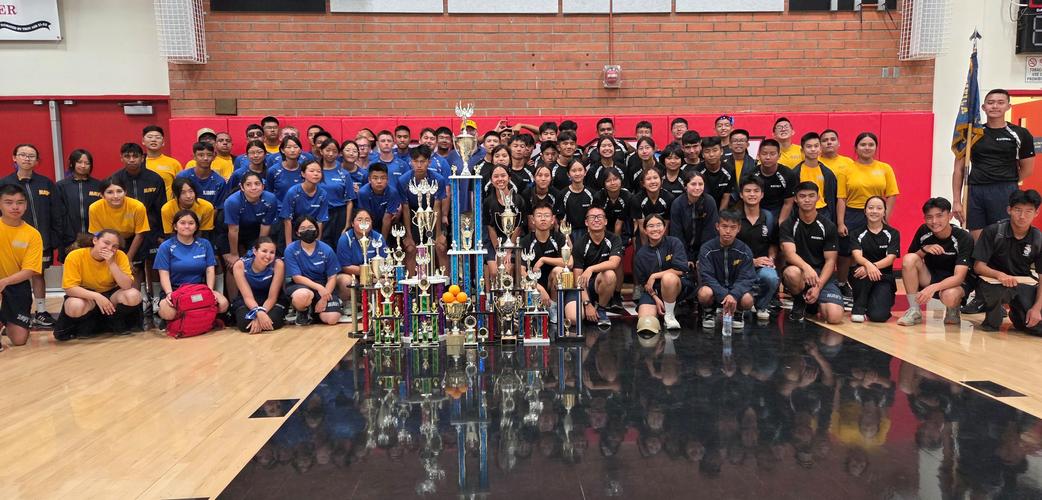






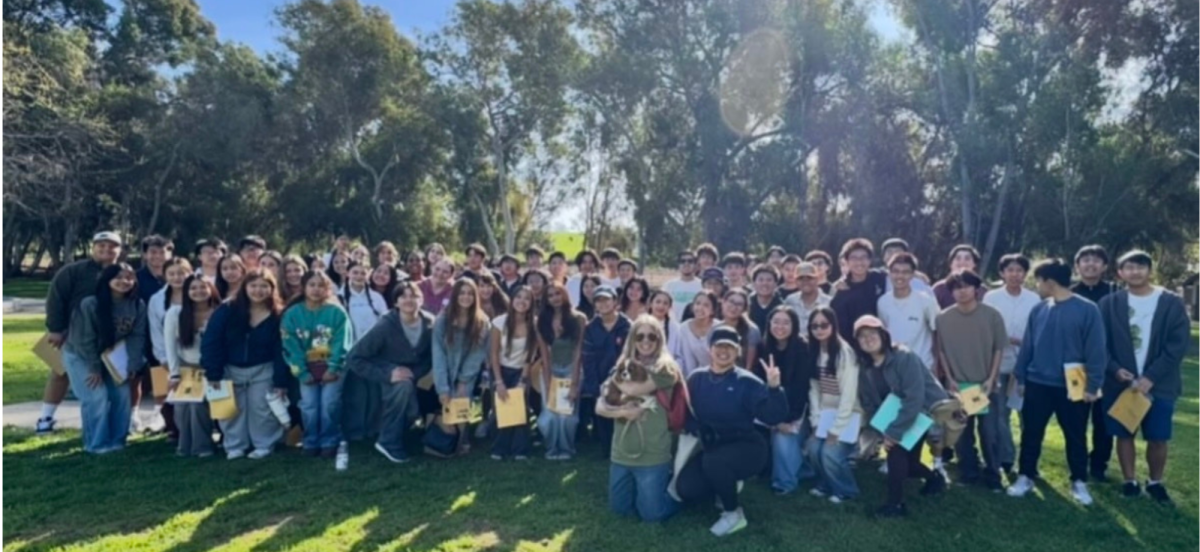





The academic decathlon is a competition hosted every year in school districts across the country. It features a 10 event course in which high school students compete with one another for the highest score. Students who perform well in the usual classroom structure can take the time to challenge themselves in an academic competition, and compete for awards and recognition. Subjects studied can range anywhere from economics, math, literature, and social science, but it’s not just about tests, students also have a speech and interview portion to measure their character. Challenging yourself academically is only one part of being a good student, being a team player and a compassionate person is the other half, and the decathlon measures both.
There is no doubt that students compete tirelessly to bring home the gold of the Academic Decathlon, but competing students don’t see each other as rivals to crush, but instead friends that motivate them to do better. Bach Nguyen explains how, “There are a lot of people from different backgrounds at the academic decathlon and when you try to immerse yourself in new things, you can have new opportunities, new perspectives, and new relationships that will help you in the future. I’ve met really cool people that have given me a lot of opportunities and changed my outlook on things. I don’t really see them as competition, I think the only competition to me is myself. I just ask myself, ‘am I doing better this year than last year?’” Instead of comparing oneself to others’ success, Bach teaches to compete with yourself to become better and better. The heart of the Academic Decathlon isn’t just about earning medals, instead, it promotes a certain uniqueness of mutual encouragement that grows between participants. Bach shares his method of choice for studying, explaining how, “A good way to always keep things organized is to plot an Eisenhower matrix where tasks are put into how important and urgent they are. I’ll plot tasks into the four corners where one corner is urgent and important, another is urgent but not important, the next is not urgent but important, and the last is not urgent and not important. When you see those tasks, you can figure out what is the best to do at that moment and you can maximize productivity and punctuality.” Keeping organized is the perfect way to stay on top of long term and short term goals while keeping a healthy mindset.
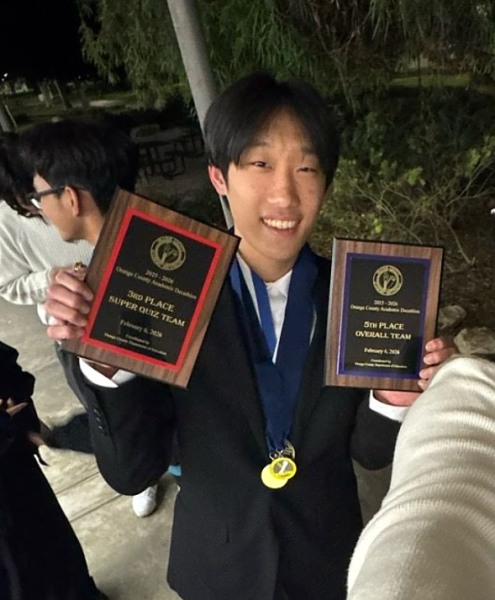 Academic Decathlon is a big time commitment and might seem like a daunting task, but team captain, Ethan Ko, reflects on the start of his own journey, “If I had to give my past self one piece of advice, it’d be to have fun. It’s a competition, but you also get to know people from your school, and it’s a great way to meet a bunch of other students from different schools who also show common interests, and all the nerds as well. I think I would tell myself to relax more, I was stressing out my freshman year, but if I was more relaxed I could branch out and grow my character. We had a really good decathlon team and they always felt like family to me. Now that I’m graduating, and the new decathlon leads are rising to take our place, I encourage everyone to join.” This year’s decathlon may be over, but the seniors have left the younger decathletes with the skills necessary to continue running a tight ship.
Overall, the Decathlon is a place for academic growth and new horizons; it blends rigorous studying with a close knit community of high achievers. Many walk away from the competition with more than just a trophy, but instead with a better understanding of the topics discussed as well as worthwhile connections with the people they have met. Students learn that true success comes from the dedication and discipline put into preparing for the competition, rather than a short term award.