

























As students stepped away from their daily academic routines, the recent four-day weekend provided a notable pause in the midst of an otherwise demanding school schedule. The extended break allowed students additional time to rest, recover from ongoing academic pressures, and focus on responsibilities beyond the classroom. For many, the extra two days off offered an opportunity to reconnect with family and friends, catch up on schoolwork, or engage in personal interests that are often set aside during the regular week. In a school year marked by packed calendars and high expectations, the four-day weekend served as a valuable moment for students to recharge before returning to classes with renewed focus and motivation.
Many students shared their thoughts on the recent four-day weekend, offering insight into how the extended break affected their routines and well-being. Ellie Than, senior at Pacific High School, said, “For the 4-day weekend, I went to eat pho with my friend and get drinks.” She also added that she attended “a Vietnamese Lunar New Year party.” Giving more to the sentimental value of having extra time away from school. For some, the additional two days provided an opportunity to rest and recover from academic stress, while for others it was a chance to catch up on responsibilities or spend time with family and friends. Overall, the responses highlighted both the benefits and challenges of stepping away from the regular school schedule. These perspectives illustrate how a four-day weekend can impact students in different ways.
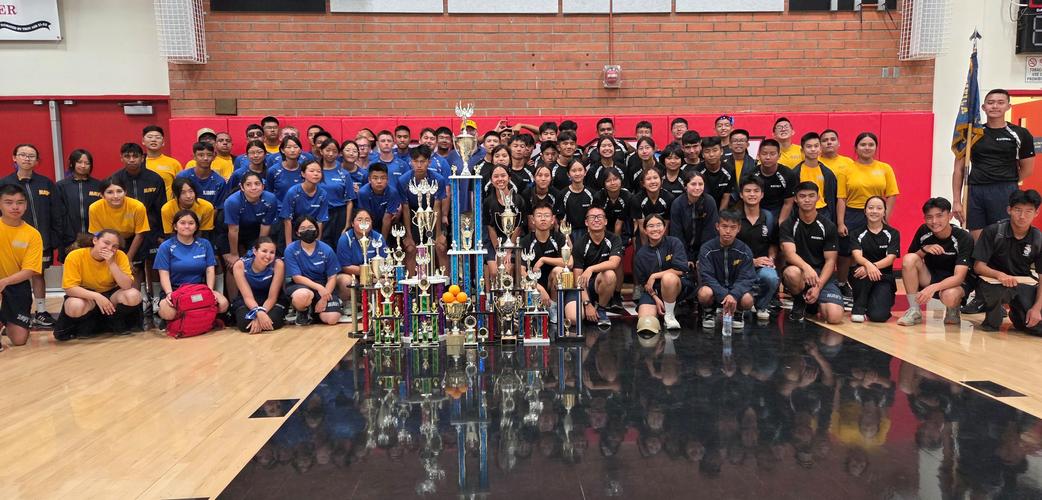
Another senior, Mia Ward, shared, “I had my very first encore competition in San Diego of our set “The Heist.” Mia also said they have a tradition of “always getting In ‘n Out after our competitions, and after In ‘n Out, I had a sleepover with my best friend at my house.” The extended time off shows how the four-day weekend gave students, like Mia, the rare chance to combine a major school-related commitment with meaningful time spent with friends. Instead of rushing from class to rehearsal and back to homework, Mia was able to fully experience the competition and the traditions around it, making the break feel both productive and personally rewarding.
Looking ahead to the days following the break, the four-day weekend also affected how students reentered their academic routines. Some students felt more energized and prepared for classes, while others struggled to regain momentum after the long break. For many, the time away from school provided a sense of relief from academic pressure and daily stress, allowing students to return feeling more refreshed. The experience encouraged students to reflect on how time away from school influences productivity and focus. Overall, the varied reactions demonstrate the broader effects of schedule changes on student learning and motivation. These differing responses suggest that extended breaks may not impact all students equally, but they can play a role in reducing stress and supporting student well-being.