




















High school is a pivotal four years of a teenager’s transition to the adult world. Once they arrive at senior year, many teenagers feel the stress of applying to colleges. Naturally, this leads to the question, what can students do to prepare for this process? After all, there’s no denying that numerous challenges can arise from academic demands and long-term commitments, among many others. Fortunately, this article provides sophomores and juniors with an idea of what they can do to prepare from the lens of a teacher and an alumnus.
To begin, many students can benefit from advice from a teacher, especially when it’s from a teacher who specializes in college readiness, like Ms. Lawler. According to Ms. Lawler, many students can take AP classes years before applying to college. It is recommended that students take AP classes because they prepare students for the college workload and expectations, which can be beneficial regardless of the outcome of the AP Exam. It is also recommended that students take classes that they enjoy and will benefit them in the future. She also recommends students apply for internships or jobs. Relevant internships can provide practical experience in the students’ intended field, and jobs can demonstrate that the student has effective time management in balancing academics and work commitments. Ms. Lawler also recommends that students start drafting their Personal Insight Questions (PIQs) early. Starting in late May of Junior year allows students to have ample time for reflections and revisions. Thoughtful responses can show a student’s personality, values, and experiences, which can make their application stand out. With all of that in mind, it is recommended that students draft and turn in their applications early and be aware of deadlines. Missing deadlines can lead to automatic disqualification from consideration. An easy way to avoid this is by working with the school’s guidance counselors for support in navigating the college application process and selecting suitable courses.
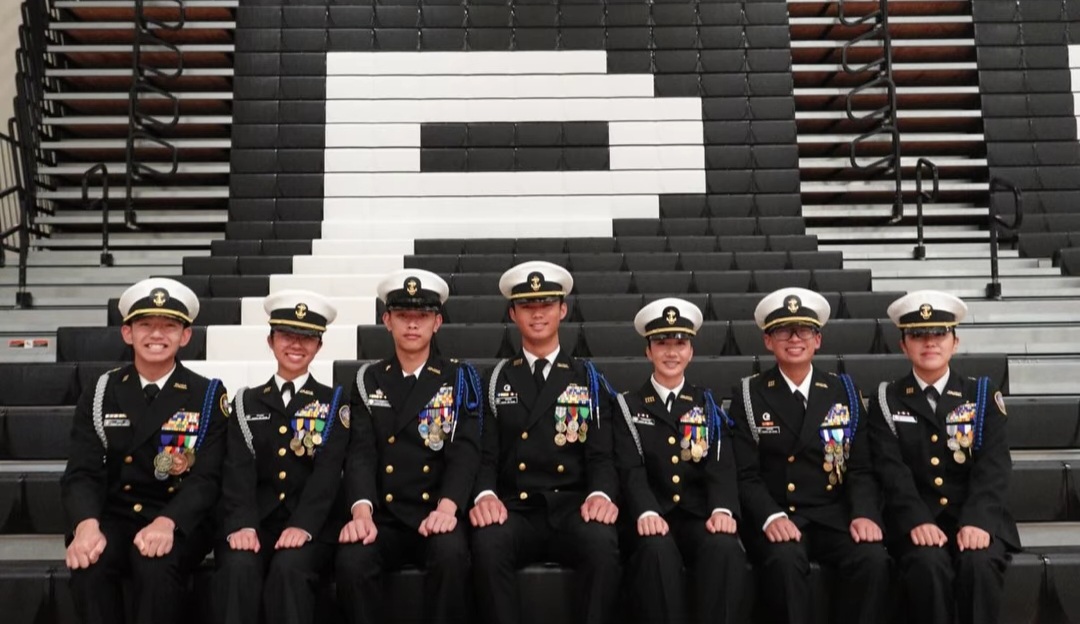
Following that, students can also turn to alumni for guidance on what they can do to prepare for college. When asking Pacifica alumni Khoi Pham on his thoughts, he emphasized the importance of being in a strong academic environment. He notes how being a part of programs, such as NJROTC and AVID helped him to develop his own sense of discipline as well as gain knowledge through mock interviews, research papers, and PIQ preparation. Pham also recommends students to take AP classes, like mentioned earlier by Ms. Lawler and community college courses in the summer if possible to have a better understanding of the rigor students will be expected to face work-wise when entering college. While encouraging students to be more open to being more involved, such as clubs and doesn’t necessarily need to be school programs like ASB, AVID, NJORTC, etc. Pham also mentions how students can also turn to meeting their counselors if unsure on where to start or even use the media itself for advice that is verified to be accurate.
Lastly, when asked what piece of advice would he give to students. Pham said, “One piece of advice I would offer is to enjoy every moment.” He explains that because college is so huge in comparison to high school, it will eventually lead students to become more independent in order to adapt. He suggests potential upcoming college students to take the initiative to enjoy every moment they have and wants them to recognize that the experience they have in college is mainly shaped by them and not just the environment alone. Through that, Pham encourages students to “build the courage to talk to new people, join organizations, and reach out to professors.” Nevertheless, Khoi Pham wants students to consider discipline as in “wake up on time for classes, have discipline to not skip lectures and spiral from lack of info, have discipline to keep yourself accountable, healthy, and safe.” After all, Pham states how what a student experiences in college will directly influence one’s adulthood and life after college, with his last piece of advice being “to think of who your idealized self is, and work towards that person actively, every day.”
Ultimately, it is evident that students have access to a variety of resources that can support them as they prepare for college. Through the guidance provided by both a current teacher and an alumnus. It can play a pivotal role in helping a student understand their options for what they can pursue later on. That stems from how the perspectives in this article will provide exposure to what academic expectations students will face and give valuable insight into real-world experiences they could potentially have in the future. Naturally, this will lead students into the right position of where to start in this process and will support them in making a well-informed decision later on.